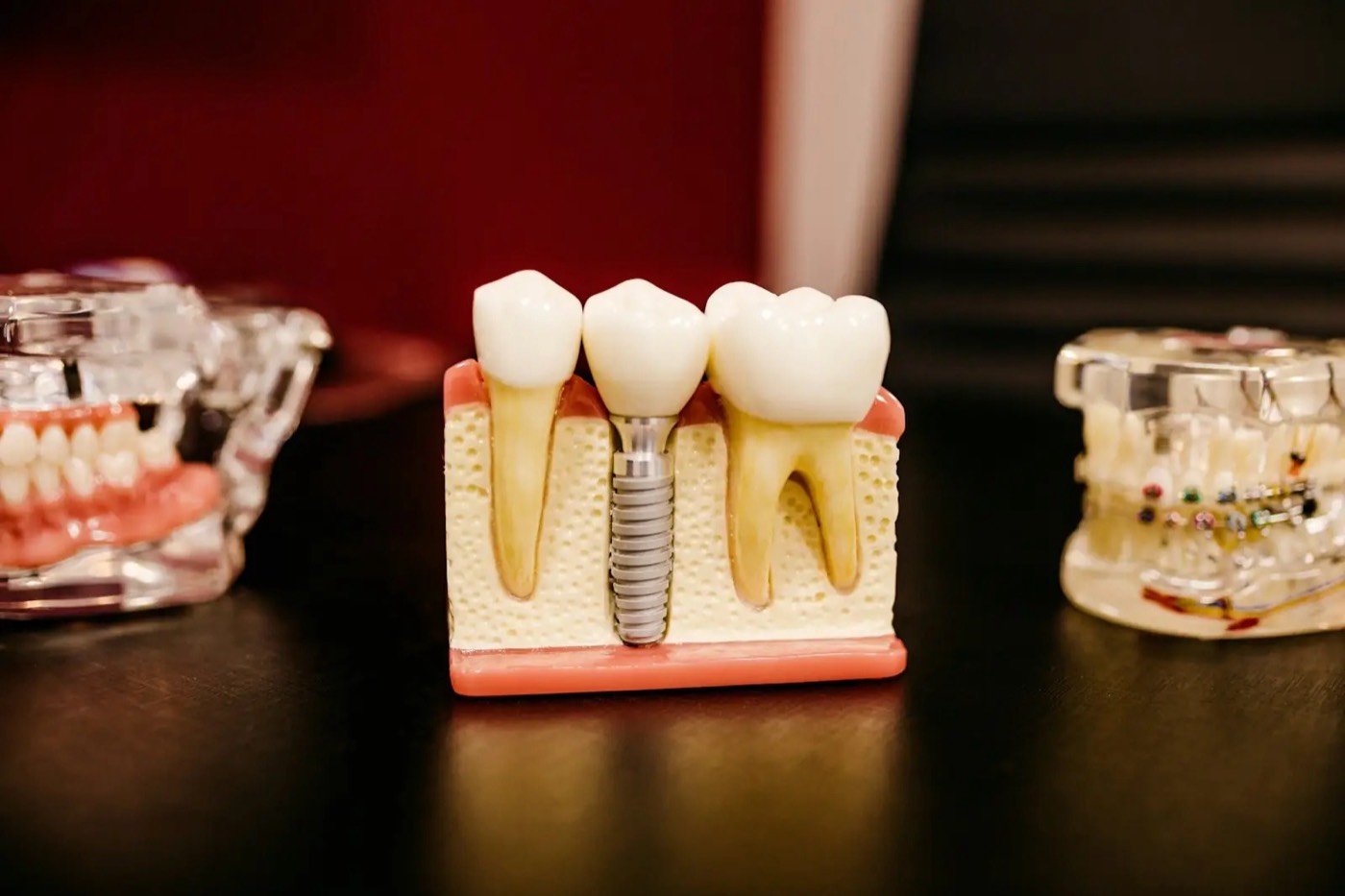
Dental offices and vet clinics can sell practice data from the front office: scheduling, recall cycles, phones and billing operations. No patient or pet-owner records ever leave. AI builders want to see how busy small practices really run.
The front office is the asset
A dental office or veterinary clinic is a small, high-tempo logistics operation. Chairs and exam rooms have to be filled, recall reminders have to go out, insurance or payment plans have to be chased, and the phone never stops. All of that leaves operational data.
Typical sources: - Practice software (admin side): appointment types, durations, recall intervals, cancellation and fill-in patterns. See admin-side practice systems. - Phones: inbound call peaks, missed-call callbacks and booking conversion from tools like Zoom Phone. - Email: vendor, lab and supplier coordination in Google Workspace / Gmail. - Books: supply purchasing cycles and collections timing in Xero or QuickBooks.
Why buyers care about dental and vet workflows
These practices are a sweet spot for automation. They are numerous, they share similar workflows, and their front desks are chronically understaffed. Teams building AI receptionists, recall optimizers and schedule-filling agents need real examples of how hygiene recalls slip, how emergency slots get squeezed in, and how a front desk juggles a boarding pickup with a surgery check-in.
Each practice develops its own habits over years. That is exactly what makes the data unique: no simulation captures the way a three-chair office actually recovers from a morning of cancellations.
What gets removed before anything moves
Patient names, pet names, owner contact details, chart notes, treatment details and anything clinical are excluded. What remains is the operational skeleton: slot type, length, booked versus kept, lead time, staff role and outcome.
We never take HIPAA/PHI data or personal customer data. Everything is de-identified before it leaves your control.
Veterinary records are not covered by HIPAA, but the owner information inside them is still personal data, so we treat it the same way: it stays with you. If you are unsure what your obligations are, talk to your attorney. The data readiness checklist walks through what to prepare.
Value drivers for a practice dataset
- Continuity: several years in one system beats a recent migration.
- Scale: multi-location groups and busy single sites both have value; groups show cross-site coordination.
- Recall depth: long recall histories are rare and useful for forecasting.
- Phone plus schedule: pairing call logs with booking outcomes tells a fuller story.
According to founder Jeff Cline, small companies have gotten over $100,000 for their data. Results vary; not a guarantee.
From inventory to payout
Start by listing what you use and how far back it goes on the bid request form. Next, export column names only, a header sample, with no records attached. Buyers then bid against each other so you can compare offers. When you accept, the data is de-identified on your side, licensed and delivered, and payment follows.
In Jeff Cline's experience, sellers see offers from multiple buyers and typically close in about 90 days. Results vary; not a guarantee.
Why now
Front-office AI is moving fast, and the first datasets to reach buyers set the baseline. Later ones compete against what models already know. If your practice has years of clean scheduling history, this is the moment to find out what it is worth with a free valuation.
Frequently asked questions
Can a dental practice sell its data?
Yes, a dental practice can license de-identified front-office data such as scheduling, recall and billing operations. Patient records and PHI are never included, and you should confirm your obligations with your attorney.
Is veterinary data treated differently?
Operationally, no. Pet medical records are not PHI, but owner names and contact details are personal data, so they are excluded just like patient data. Only the de-identified operational patterns are licensed.
What if we switched practice software a few years ago?
You can still sell the data from the current system, and older exports may add value if they exist. Note both date ranges when you request a bid.
Do multi-location groups get better offers?
Often, because cross-site scheduling and staffing patterns are harder to find. Value still depends on history, cleanliness and buyer demand at the time.
Will buyers see our client list?
No. Buyers see a header sample with column names only, and the delivered data is de-identified. We never take HIPAA/PHI data or personal customer data. Everything is de-identified before it leaves your control.
Updated November 19, 2026.
OpenDataPolicies.org connects businesses with buyers of de-identified operational data. We are not a law firm, broker-dealer or investment adviser, and nothing on this site is legal, tax or financial advice. Statements about amounts, timing and outcomes are Jeff Cline's statements based on past transactions. Results vary; nothing here is a guarantee of any bid, price, buyer or closing. Every deal depends on the data, its quality, its rights and buyer demand at the time.