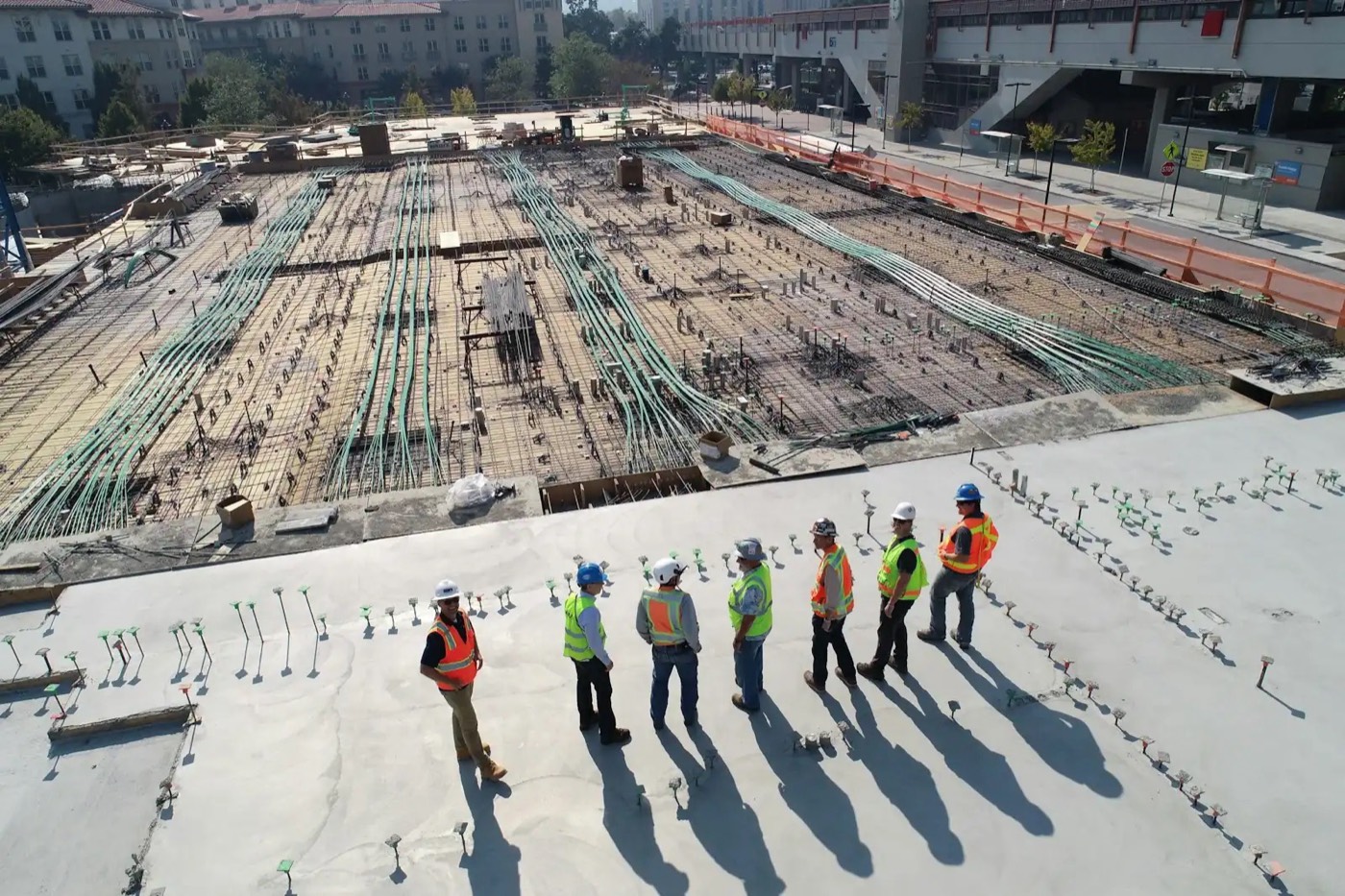
Contractors and engineering firms can sell construction data from RFIs, submittals, change orders, schedules and field coordination. Builders of AI for jobsites want real project history. Personal data and client identities stay out.
The project record most contractors overlook
Every finished job leaves behind a detailed account of how it was actually built. That account is spread across tools:
- Project management: RFIs, submittals, change orders, punch lists and daily logs in Procore.
- Tasks and schedules: look-aheads and trade sequencing in Jira, Asana or Monday.com.
- Files: drawing revisions, specs and bid packages in Dropbox or Box.
- Email: owner, architect and subcontractor coordination.
- Accounting: job costing patterns, pay applications and retainage cycles.
Why AI builders want construction operations
Construction is famously under-digitized and full of rework. Builders of AI tools for RFI drafting, change-order risk, schedule forecasting and submittal review need thousands of examples of how projects drift: which questions arise at which phase, how long answers take, which changes cascade.
Field coordination is especially valuable: how a superintendent's question travels to the architect and back, and how that delay ripples through the trades scheduled behind it. That chain rarely appears anywhere outside a contractor's own systems.
Drawings and codes are one thing. The decision trail between field and office, across hundreds of projects, is something only contractors hold.
De-identification on jobsite data
Owner and client names, project addresses, individual worker names, phone numbers and any personal details in daily logs are removed. Project records are reduced to type, phase, item category, dates, response times, cost-impact bands and outcomes.
We never take HIPAA/PHI data or personal customer data. Everything is de-identified before it leaves your control.
Some owner contracts restrict project information, so review them and talk to your attorney before licensing. The data readiness checklist helps you check this early.
Value drivers for contractors
- Project count and variety: many completed jobs across building types.
- Full lifecycle: preconstruction through closeout, not just one phase.
- Discipline in the system: well-categorized RFIs and change orders.
- Self-performed versus managed work: both are useful, and the mix adds signal.
According to founder Jeff Cline, small companies have gotten over $100,000 for their data, and buyers bid against one another. Results vary; not a guarantee.
From jobsite archive to offer
Step one: request a bid with your tools, years and approximate project and RFI counts. Step two: send a header sample, field names only. Step three: compare offers from multiple buyers. Step four: de-identify, sign the license, deliver, and collect.
In Jeff Cline's experience, bids return within about 72 hours when the inventory is accurate. Results vary; not a guarantee.
The window for construction data
"Every industry is a geek away from being uberized," says Jeff Cline, and construction tech is attracting serious attention. Real project histories are scarce right now, which is why they command interest. Find out what yours is worth before the gap closes.
Frequently asked questions
Can a general contractor sell Procore data?
Yes, a contractor can license de-identified Procore data such as RFIs, submittals and change orders. Names, addresses and personal details are removed. See the Procore page.
What about subcontractor and worker information?
Worker and subcontractor personal details are excluded. We never take HIPAA/PHI data or personal customer data. Everything is de-identified before it leaves your control.
Are drawings included?
Usually not as files. Buyers mostly want the workflow metadata around revisions and RFIs. Anything licensed is scoped in writing first.
Do small contractors have valuable data?
Often yes. A specialty contractor with years of consistent job records can be distinctive, since uniqueness drives value more than size alone.
How long until we close?
According to founder Jeff Cline, deals typically close in about 90 days. Results vary; not a guarantee.
Updated November 19, 2026.
OpenDataPolicies.org connects businesses with buyers of de-identified operational data. We are not a law firm, broker-dealer or investment adviser, and nothing on this site is legal, tax or financial advice. Statements about amounts, timing and outcomes are Jeff Cline's statements based on past transactions. Results vary; nothing here is a guarantee of any bid, price, buyer or closing. Every deal depends on the data, its quality, its rights and buyer demand at the time.